
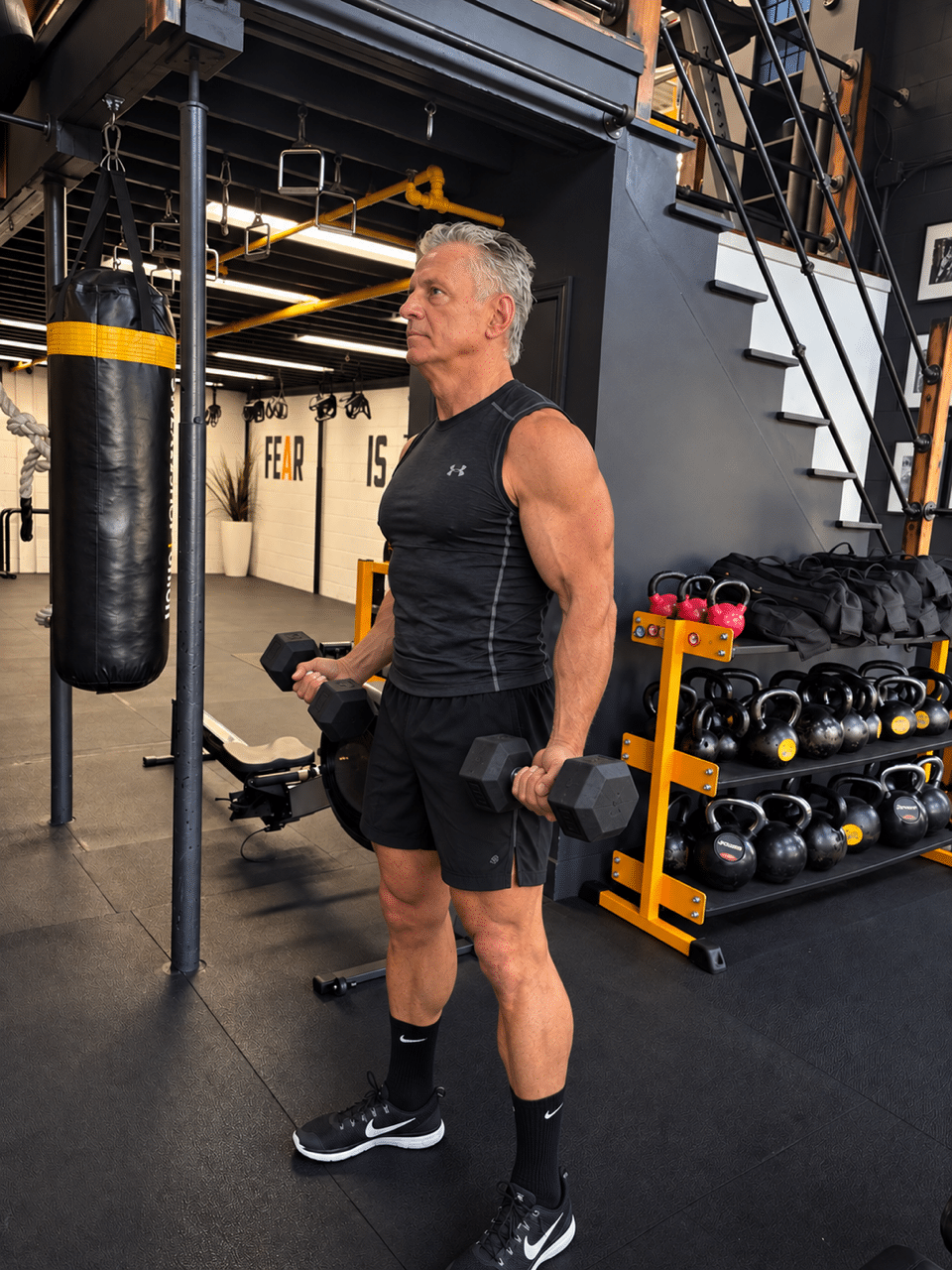
You’re showing up, trying different exercises, and putting in the effort, but still can’t pinpoint why you’re not seeing progress. The problem may not be motivation; it could be a lack of direction.
A certified personal trainer can help you identify what’s holding you back, structure your workouts around your goals, and keep you on track.
At SweatShop Union, we have experienced trainers who tailor workouts to your goals, fitness level, and routine. This guide breaks down how personalised training can help you find the right workouts, build consistency, and make progress.
Why Is It So Hard to Know What to Do at the Gym?
More workouts don’t always mean more progress. Sometimes, you just need a better plan.
- Too many workouts, not enough direction: Scrolling through YouTube or Instagram can leave you with dozens of workouts but no clear plan. These random workouts may not match your goal. Choose exercises that match your goal, strength, endurance, fat loss, or mobility.
- You’re working hard but not tracking the right things: A difficult workout doesn’t automatically mean progress. Track your weights, reps, and workouts to see if you’re getting stronger and fitter.
- Your routine doesn’t fit your actual life: Work, family commitments, commuting, and changing energy levels can make ambitious plans difficult to maintain. Build your routine around the days and times you can realistically train consistently.
Generic Workouts vs. Custom Training: What Actually Changes?
A generic workout gives you exercises, while custom training gives those exercises a purpose, progression, and plan that fits you.
| Generic Workout | Custom Training | What Changes for You |
| Same exercises for everyone | Exercises matched to your goal | Your workout fits your fitness level and objective. |
| No clear progression | Planned progression | You know when to increase reps, weight, or difficulty. |
| Random workout selection | Goal-focused sessions | Every workout has a clear role in your overall plan. |
| Little form feedback | Trainer-guided technique | You get corrections while performing exercises. |
| Progress is rarely tracked | Progress is monitored | You can identify improvements, plateaus, and areas to adjust. |
| Fixed around a preset routine | Adapted to your schedule | Training can fit your available days and changing routine. |
| Self-motivation required | Built-in accountability | Regular check-ins can help you stay consistent. |
At SweatShop Union, our personal training program is designed to provide clear progression, regular feedback, and consistent check-ins, so you know what to improve and why.
Do You Actually Need a Personal Trainer?
Yes, if you’re putting in the effort but struggling to make consistent progress. A certified personal trainer can help if you keep starting over, doubt your routine, or stop seeing progress despite regular workouts.
You may also benefit from guidance if you struggle with consistency, want feedback on your form and technique, or have a specific goal but no clear roadmap. In those cases, working with a personal fitness coach can give you the structure, guidance, and accountability you need to train with greater purpose.
What Makes a Personal Training Program More Than Just a Workout?
A good workout plan should do more than make you sweat. It should match your goals, track progress, and evolve as you improve.
An Assessment Before the Workout Plan
An effective training program starts with an assessment, not a “let’s see what happens” workout. A trainer should understand your current fitness level, goals, lifestyle, existing limitations, and starting measurements before deciding what exercises, intensity, and schedule fit you.
A Plan Built Around Your Goal
Your workouts should match your goals, whether that’s fat loss, strength, muscle growth, fitness, energy, or overall health.
Progressive Training Instead of Doing the Same Workout Forever
Your body adapts as you train, so repeating the same workout at the same intensity may eventually stop challenging you. A trainer would gradually increase weight, repetitions, resistance, workout difficulty, or training volume as your fitness improves. This is called progressive overload.
Regular Check-Ins and Adjustments
Your program should adapt as your progress, schedule, and abilities change. Regular check-ins help trainers adjust your workouts, intensity, and recovery so you keep improving without getting stuck in the same routine.
Accountability That Goes Beyond Motivation
Accountability helps you stay consistent when motivation drops. Scheduled sessions, progress tracking, and trainer check-ins keep you on track. Choose a personal fitness coach near you, such as in Clearview or Winston Park, to make regular training easier to stick to.
How Do You Know If a Personal Trainer Is Right for You?
Before choosing a personal trainer, use this simple checklist to see if their program fits your needs.
- Certified trainers with proven coaching experience
- A proper fitness assessment first
- A personalized plan based on your goals, fitness level, and schedule
- Progressive workouts that become more challenging as you improve
- Nutrition and habit guidance that fits everyday life
- Regular progress tracking, assessments, and plan adjustments
- Consistent feedback and accountability to keep you showing up
At SweatShop Union, our trainers bring certified expertise and hands-on experience to every session. From your first assessment to regular progress checks, we focus on clear guidance, steady progression, and support that keeps you moving forward.
How Is Personal Training Built Around Your Goals?
Your first session should connect the workout to a definite goal, rather than throwing you into a standard routine. For example, someone training for fat loss may need a different starting point from someone trying to build strength or improve mobility.
What that looks like in practice:
- Trying to lose fat: Your trainer may look at your current activity level, exercise experience, and schedule before building a routine you can consistently follow.
- Wanting to build strength: You may start with basic strength movements so your trainer can assess your form, identify your starting level, and determine how to increase resistance over time.
- Getting back into exercise: The focus may be on rebuilding strength and stamina gradually instead of jumping straight into high-intensity workouts.
- Improving mobility: Your trainer may observe how you move through different exercises and use that information to include mobility and flexibility work in your routine.
The first session is therefore less about “How hard can you train?” and more about “What should you train, and why?” A private fitness training program can adapt to your goals, current ability, and everyday routine based on what your first session reveals.
Take the Guesswork Out of Your Fitness Routine
Doing more workouts does not always mean making more progress. Without clear direction, the right exercises, and consistent feedback, it can be difficult to know what is actually working. Personalised training can give you structure, guidance, and accountability.
Not sure where to start? Schedule a trial with us, share your goals, and let’s turn “I should work out” into a plan you can actually stick to.
Frequently Asked Questions
How long is a personal training session?
Session length can vary by training program and goals. Ask your trainer about session duration when discussing your options and preferred training schedule.
Can I do personal training if I have never worked out before?
Yes. A trainer can start you with basic movements, manageable weights, and simple exercises, then increase the difficulty as you build strength and confidence.
How many personal training sessions should I take each week?
For most beginners, 2–3 sessions a week can provide enough practice and recovery. Your trainer may adjust this based on your goal, workout intensity, and schedule.
What should I bring to my first personal training session?
Wear comfortable workout clothes and supportive footwear, and bring water. Arriving ready to discuss your goals and fitness history can also help.
